


App Screenshots Kit
Inhouse product

-
Database Design & Management
₨840,000 -
Frontend Development
₨102,760 -
Mobile App Development
₨658,000 -
Cinematic LUTs Pack
₨66,360 -
Certificate Templates
₨65,520 -
Signature Logos Pack
₨840,000


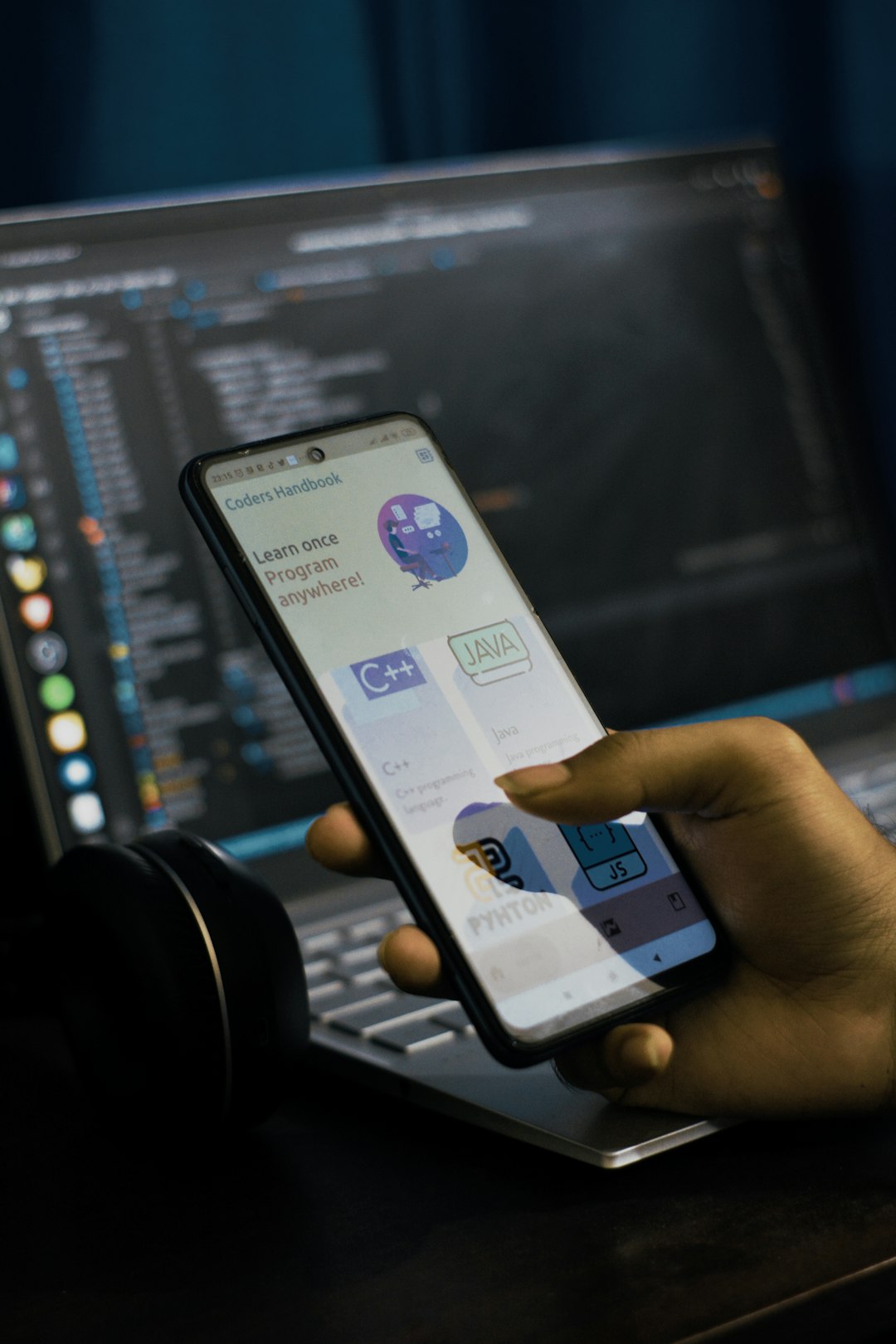



iOS Developer:
Proficiency in Swift (primary) and Objective-C (legacy).
Deep understanding of iOS SDK, Xcode, and UIKit/SwiftUI.
Experience with memory management (ARC) and multi-threading (GCD/Swift Concurrency).
Android Developer:
Proficiency in Kotlin (preferred) and Java.
Strong knowledge of Android Studio, Android SDK, and Jetpack Compose.
Understanding of the Android lifecycle, Material Design guidelines, and Gradle.
Cross-Platform Developer:
Flutter: Proficiency in Dart and state management (Bloc, Provider, or Riverpod).
React Native: Strong command of JavaScript/TypeScript and React.
2. Common Professional Standards
Across all mobile roles, employers look for:
Architecture: Familiarity with design patterns like MVVM, MVP, or Clean Architecture.
Networking: Experience integrating RESTful APIs, GraphQL, and handling JSON/XML data.
Local Storage: Knowledge of Core Data, Room, Realm, or SQLite.
Tools: Proficiency with Git (version control) and CI/CD pipelines (Jenkins, Bitrise, or GitHub Actions).
3. Performance & Optimization
Experience in UI/UX implementation ensuring smooth animations and transitions.
Ability to diagnose and fix memory leaks, crashes, and battery consumption issues.
Knowledge of App Store (Apple) and Google Play Store submission processes and guidelines.
4. Preferred "Plus" Skills (2026 Trends)
AI Integration: Experience with on-device ML (CoreML, TensorFlow Lite).
Security: Understanding of OAuth2, encryption, and data privacy compliance (GDPR/CCPA).
Testing: Unit testing and UI testing (XCTest, Espresso, or Jest).
5. Education & Soft Skills
Education: A Bachelor’s degree in Computer Science, Software Engineering, or a related field.
Soft Skills: Problem-solving mindset, strong communication for cross-functional collaboration (with Designers and PMs), and Agile/Scrum experience.
Related products






PROGRESSIVE PATHWAYS is committed to providing a fast, secure, and seamless custom software development experience. We offer a wide range of digital solutions, including enterprise systems, mobile applications, cloud services, and AI integrations.We strive to deliver the best results for our clients through agile delivery models, continuous technical support, and comprehensive post-launch maintenance and security commitments, empowering businesses to achieve digital transformation.
Contact Info
- Address:
- Phone: +92 307 9004228
- Email: info@progressive-pathway.com